Ice dams, frozen pipes and what a home policy actually pays for
The most expensive fortnight of the Canadian year is the one either side of a thaw. Three exclusions decide whether you are covered.
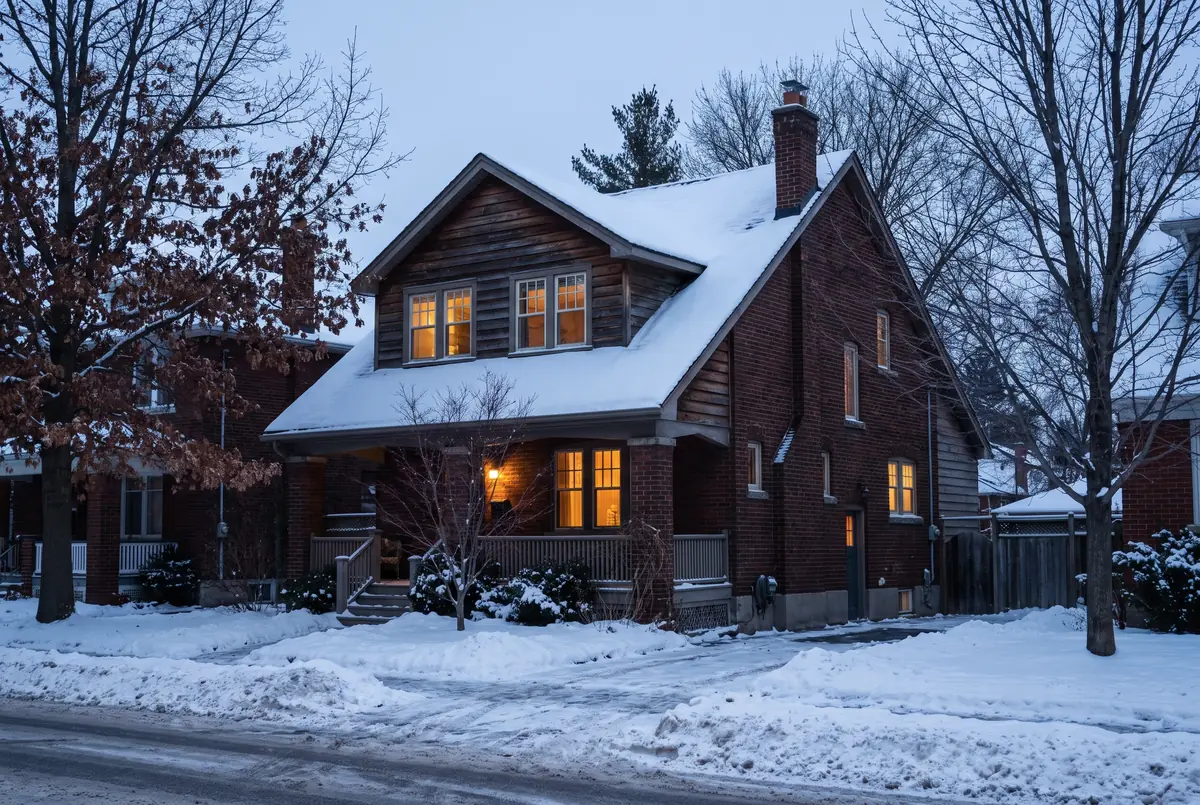
Fire is what people insure against. Water is what actually happens. Roughly half the personal property claims a Canadian brokerage handles in a year involve water arriving somewhere it was not invited, and most of that arrives within two weeks of a thaw.
Ice damming
Heat escaping through an under-insulated attic melts the snow on the roof. The meltwater runs down to the cold eave, refreezes, and builds a ridge of ice. The next melt has nowhere to go, so it backs up under the shingles and into the ceiling below.
Standard Canadian home policies generally cover the resulting damage to the interior. What they generally do not cover is the roof repair itself where the loss is attributed to poor maintenance or inadequate ventilation, and that is where the argument happens. Photographs of the ice, dated, are worth more to your claim than anything you will say later.
Frozen pipes, and the exclusion in every policy
Damage from a burst pipe is covered. Damage from a burst pipe in a home you left unheated and unattended is generally not, unless you either shut off the water and drained the system, or arranged for a competent person to check the property daily during the heating season. The wording varies, and the interval is sometimes specified in the policy.
If you go south for the winter, read this clause before you leave, and put the daily check in writing with whoever is doing it. This is the exclusion that costs Canadians the most money every February.
The two endorsements most policies are missing
Sewer backup
Water coming back up through a floor drain or a toilet. It is an endorsement, never a default, and it is the single most common gap we find on a policy somebody bought online in ten minutes. A backwater valve, where the municipality permits one, sometimes earns a premium credit as well.
Overland water
Fresh water arriving at ground level, from an overflowing creek, a spring melt, or a storm that overwhelms an urban storm sewer. It has been available across most of Canada since 2015 and it is priced against your specific address. In some flood-mapped areas it is not available at all, and it is better to know that in July than in April.
What to do in the first hour
- Stop the water if you safely can, and turn off electricity to the affected area.
- Photograph everything before you move it, including the water line on the wall.
- Call the claims line before you call a restoration company. Most insurers have preferred vendors and will dispatch one.
- Keep receipts for anything you buy to limit the damage. That is a covered expense in nearly every Canadian policy.
- Do not throw anything away until the adjuster has seen it or released it in writing.
Updated July 2, 2026.